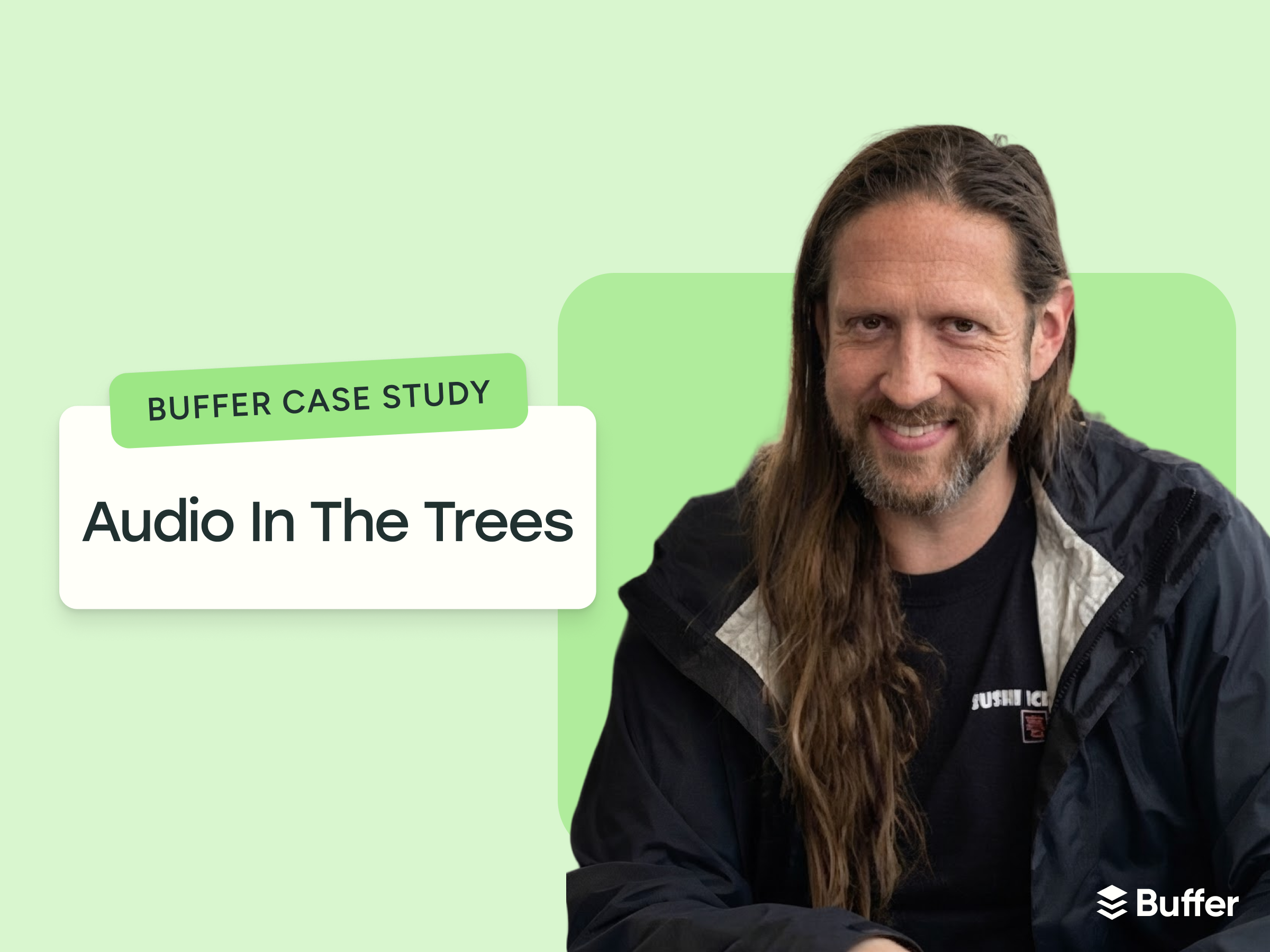

Kevin Indig writes Growth Memo, which goes out weekly to more than 29,000 founders, in-house leads, and marketing leaders. He spent 10 years as an operator and leader at Shopify, G2, and Atlassian, and now advises Meta, Airbnb, and Reddit on growth.
The Memo runs on original research into how search and AI are changing — Kevin, in his own words, swims in data all day.
The work isn't done when you hit 'publish'
"Publishing is only half the job — you also need a repeatable way to distribute your work. Buffer makes that much easier, and keeps a good post from disappearing after publication day," says Kevin.
You spend days on a piece, it goes out, it gets one good day of attention, and then it's gone. Kevin's fix is to stop treating a Memo as one post and start treating it as a week of them — the same logic behind repurposing long-form content, applied to a newsletter.
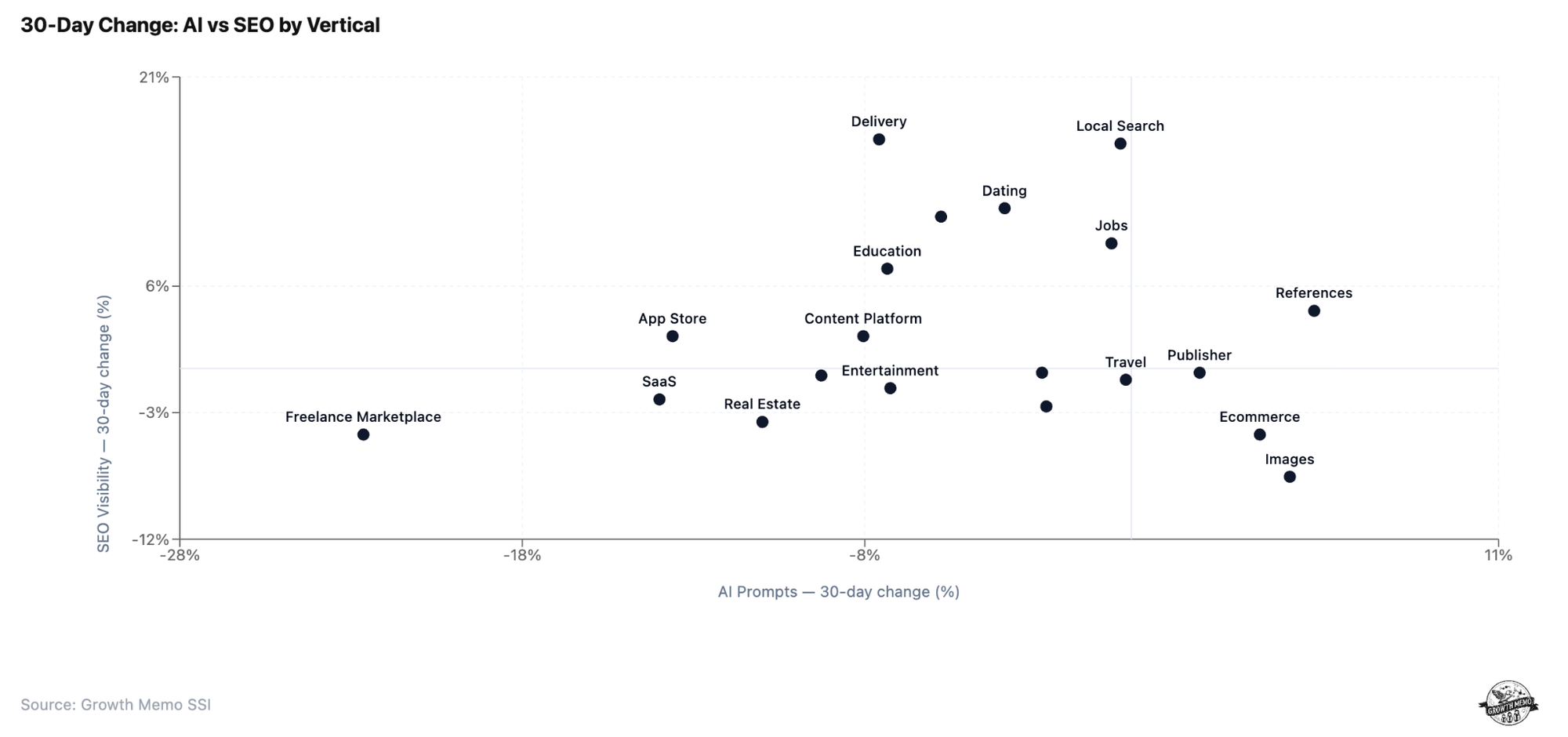
"A single Memo gives us several things to share. We might pull out a chart, a finding, or a question worth discussing," he says.
Substack Notes is where ideas get tested
On Substack Notes, Kevin posts short takes, charts, videos, and teasers for Memos that haven't gone out yet. He also uses Notes to test a topic before committing to a full article.
A fully researched memory takes an entire week of his time, while a Note only takes a few minutes. It's well worth investing in the latter first, he says.
The ideas themselves come from his original research, his client conversations, and the patterns he sees in the data. The Notes that perform well often get an entire newsletter.
Buffer handles the distribution
Kevin and his team prepare the posts around the newsletter, and Buffer schedules them from there. Scheduling is essential for Kevin, who is rarely at his desk. Some weeks he's traveling; some days are booked end-to-end with clients.
With Substack Notes now available as a channel in Buffer, Kevin can batch prep his ideas to go out too.
"Buffer makes sure every Memo gets distributed without requiring me to be online for every post. If I had to put a number on it, I'd say Buffer saves me 2–3 hours a week."
Using Buffer with Codex
Kevin's favorite Buffer feature is the Model Context Protocol (MCP) integration, which lets AI tools connect directly to a Buffer account. He points Codex, OpenAI's coding assistant, at his own post history to see which posts landed and pull ideas for what to write next.
"I love the MCP. Being able to connect Codex to Buffer, understand which posts perform well, and get inspiration for what to post next is unbeatable," he says.
His advice for Substack creators
For writers still deciding whether they need a tool at all, Kevin's advice is to start where your readers already are, build a routine you can keep, and check what's working so can repeat (or move on).
It's advice that applies whether you're just starting on Substack or 30,000 subscribers in. Kevin's version of it happens to run on a scheduling queue and a coding assistant — but the routine is the part that does the work.
Try Buffer for free
200,000+ creators, small businesses, and marketers use Buffer to grow their audiences every month.