There are now more social media platforms than any one person can reasonably keep up with — and yet somehow the advice is always 'you should be on all of them.' (Don't worry, we're not going to tell you that!)
Whether you're building your personal brand or running social media marketing for a business, choosing the right social media platforms is not just about being where everyone is — it’s about being where your audience already shows up.
That’s why we put together this guide: a look at the top social media platforms in 2026, ranked by monthly active users and updated with insights on what each platform is best for.
From familiar giants like Facebook and Instagram to rising players like Threads and Bluesky, this list will help you make smarter decisions about where to show up and what kind of content to create.
And remember: you don’t need to be on every social media site to grow a strong social media presence. A focused strategy that aligns with your target audience, content strengths, and available time will always beat being spread too thin.
Key takeaways
- The big three: Facebook, Instagram, and WhatsApp — are still enormous, with billions of active users between them.
- Short-form video isn't going anywhere: If your audience skews younger, short-form video is where they're spending their time. TikTok and YouTube Shorts are hard to ignore.
- Text-based options are on the up: Threads and Bluesky are both picking up steam for people who've drifted away from X.
- Don't try to be everywhere: Two or three platforms, done well, beat six platforms done poorly every time.
Overview of the most popular social media platforms
| Platform | Monthly active users (MAU) | Top content formats | Best for |
|---|---|---|---|
| 3.07B | Text, images, video, reels, stories, groups | General brand presence | |
| 3B | Reels, stories, posts, lives | Visual storytelling | |
| 3B | Messaging, voice notes, product catalogues | Customer support and updates | |
| YouTube | 2.6B | Long-form video, shorts, live | Video content and SEO |
| TikTok | 1.9B | Short-form video, duets, lives | Short-form video and trends |
| 1.4B | Messaging, mini apps, payment | Chinese market reach | |
| Telegram | 1B | Channels, chats, bots | Broadcast and private messaging |
| Snapchat | 932M | Snaps, stories, AR filters, Spotlight | Direct engagement with Gen Z |
| 765M | Text, links, comments | Community insights and trends | |
| Douyin | 728M | Short videos, livestream, in-app shopping | Short-form video and e-commerce |
| Kuaishou | 715M | Short and long video, livestream | Live commerce and rural China |
| 588M | Images, hashtags, stories | Trend-driven content in China | |
| 578M | Pins, boards, idea pins | Product discovery and planning | |
| X (Twitter) | 557M | Text, images, video | Real-time updates and engagement |
| 554M | Chat, games, avatars | File sharing and messaging | |
| Threads | 400M | Text, carousels, links, images | Conversational, casual posting |
| Quora | 400M | Q&A, text, links | Educational content and SEO |
| 350–450M (est.) | Articles, carousels, video, posts | B2B marketing and personal brand | |
| RedNote (Xiaohongshu) | 350M | Photos, mini vlogs, captions | Reviews and lifestyle content |
| Discord | 259M | Text, voice, video, channels | Private communities |
| Twitch | 240M | Live video, chat, replays | Livestream entertainment |
| Tumblr | 95M | Text, GIFs, images, audio | Creative self-expression |
| Bluesky | 5.2M | Text posts, replies, reposts | Decentralized social networking |
| Mastodon | 1M | Text, media, audio | Federated communities |
Top 24 social media apps and platforms for 2026
We've ranked this list by monthly active users (MAUs) — basically, how many people use the platform each month.
A platform with billions of users sounds impressive, but if your audience isn't there, it won't matter how big it is.
Start by figuring out where your people actually spend time online. That's where your effort will matter most.
Jump to a section:
1. Facebook
3.07 billion MAU
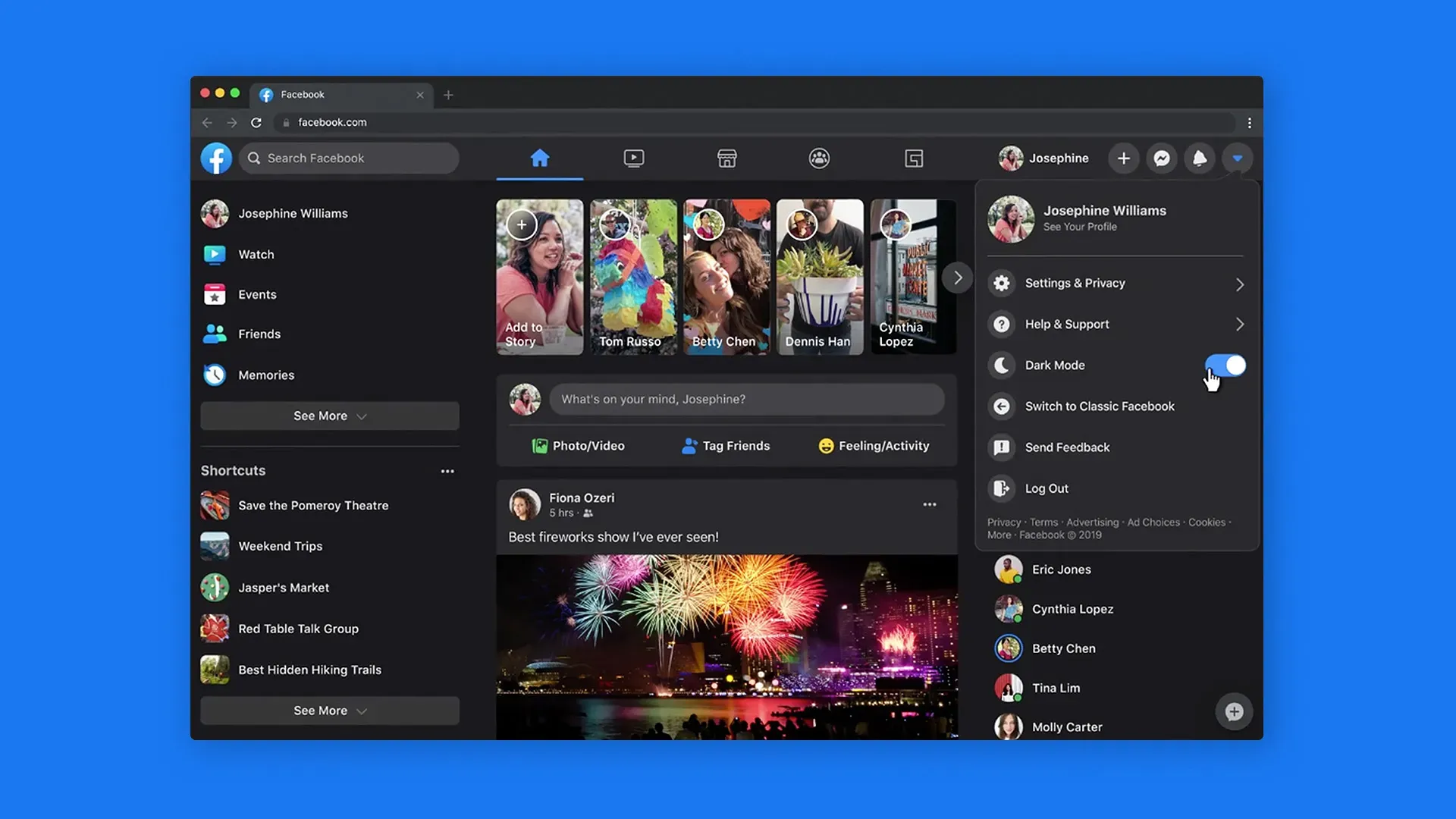
Facebook remains the largest social media platform in the world, with more than 3 billion monthly active users — almost one-third of the global population. It continues to be a core part of most social media marketing strategies, thanks to its broad audience reach and support for nearly every type of content format.
As an advertiser, it’s still one of the most reliable places to reach a broad audience.
Why Facebook still matters:
- Works well for text, images, video content, stories, and live streams
- Features like Facebook Groups and Facebook Messenger allow deeper community building and customer engagement
- Facebook Ads Manager gives precise targeting for paid social media campaigns
Pro tip: Here’s how to grow your Facebook following and make the most of the algorithm — it rewards content that sparks conversations between friends, families, and communities.
2. Instagram
3 billion MAU

Instagram is one of the most visual social media platforms, built for sharing photos, videos, stories, and short-form video content like reels.
With around 3 billion monthly active users, it’s especially popular with millennials and Gen Z.
Why brands love Instagram:
- A wide range of formats, including reels, stories, and live video
- Strong discovery tools like the Explore tab and hashtags
- Encourages user-generated content through mentions, tags, and branded campaigns
You can switch to an Instagram business profile to unlock in-depth analytics and scheduling tools. It’s also easy to cross-post to Facebook, Threads, and Messenger since they’re all part of the Meta family of platforms.
3. WhatsApp
3 billion MAU
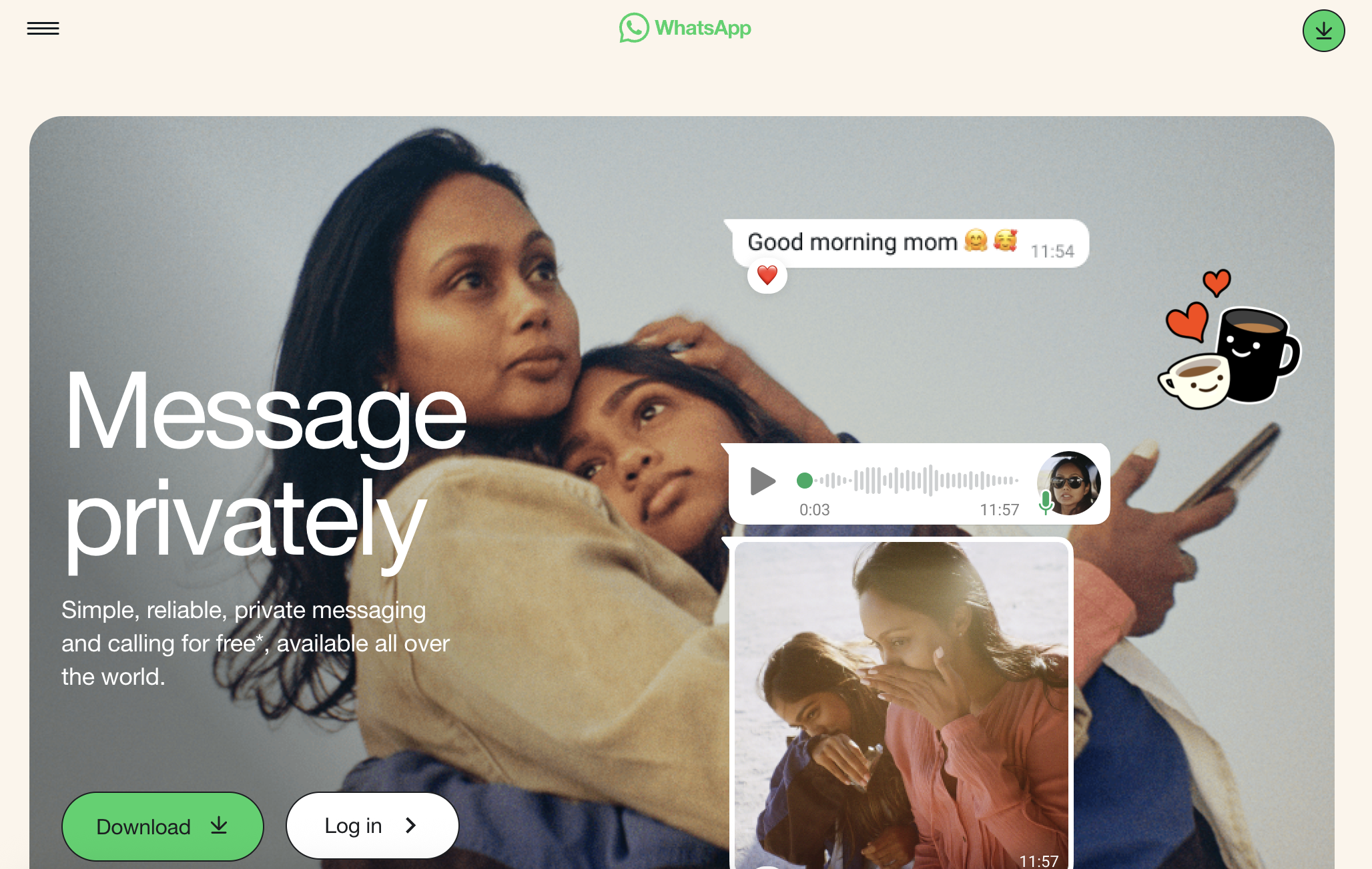
WhatsApp is the world’s most popular messaging app, used in over 180 countries by around 3 billion people every month.
Originally built for personal messaging, it has since evolved into a valuable social media platform for customer service, community updates, and business marketing.
Why use WhatsApp:
- WhatsApp is designed for small businesses to share updates, showcase products, and answer questions directly
- Larger teams can use the WhatsApp Business app to automate responses and integrate customer communication at scale
WhatsApp is highly effective for:
- Order updates and tracking
- Real-time customer support
- Broadcasting limited-time deals
- Reaching audiences in mobile-first regions
WhatsApp’s end-to-end encryption and no-algorithm feed make it ideal for direct communication, not discovery. But when used well, it builds trust and loyalty with your target audience.
4. YouTube
2.6 billion MAU
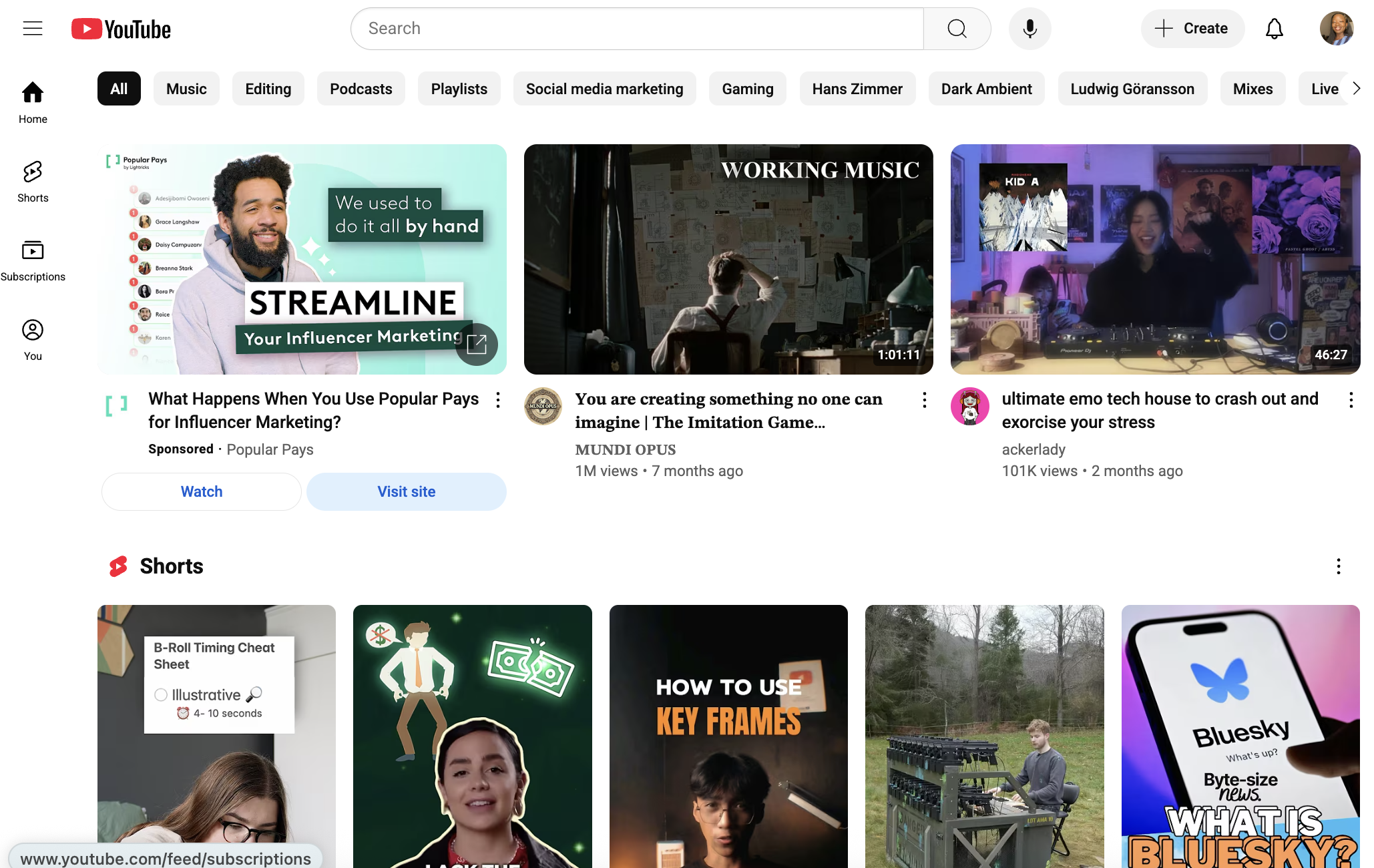
With users watching over a billion hours of video daily on YouTube , it’s a must-have platform for any brand investing in video content. And here's something interesting: YouTube has established itself as the leading streaming platform by watch time, consistently surpassing rivals like Netflix, Disney+, and Amazon Prime Video for the last two years.
Why YouTube matters for your marketing strategy:
- Supports both long-form and short-form videos (including YouTube Shorts)
- Great for evergreen content, tutorials, behind-the-scenes, and storytelling
- YouTube is also a search engine, which means the right keywords, thumbnails, and titles can help your videos get discovered long after you post them
Whether you’re new to YouTube or refining your current presence, here’s how to grow on YouTube and start building a community through content.
Learn more about the YouTube algorithm, and how to grow your audience.
5. TikTok
1.9 billion MAU
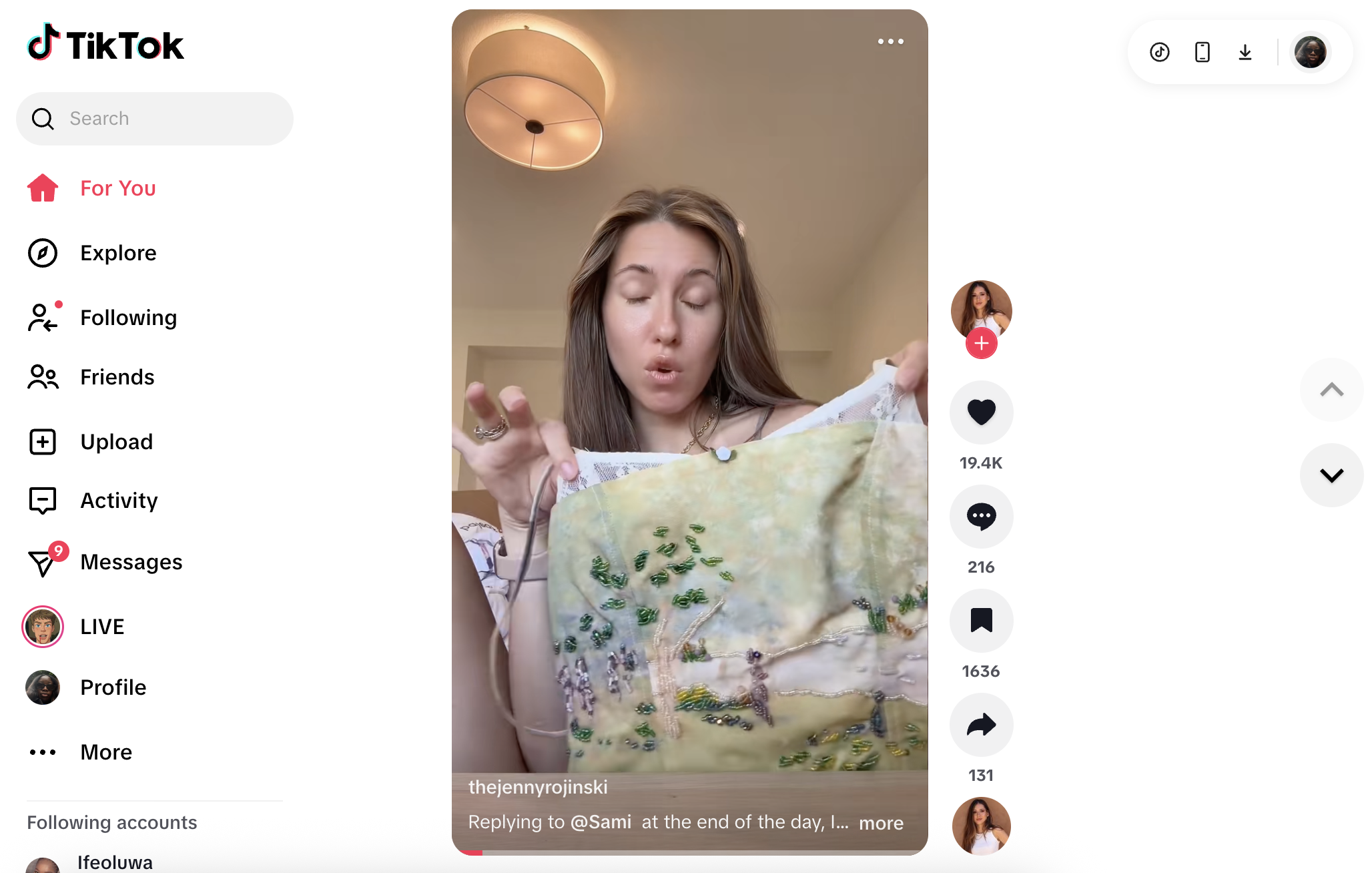
TikTok has quickly become the leading short-form video content platform, especially among younger audiences.
With 1.9 billion monthly active users and a global reach, it’s one of the most engaging social media platforms out there — and a top choice for creators, small businesses, and brands looking to show up in a more personal, creative way.
What makes TikTok unique:
- Users can create videos up to 10 minutes long (and up to 60 minutes when uploaded from a device) with built-in music, voice effects, and editing tools
- The algorithm pays close attention to what people watch and engage with — which means even smaller accounts can reach new audiences if the content resonates.
- Challenges, duets, and trends help brands participate in culture, not just broadcast messages
If your target demographic includes Gen Z or younger millennials, TikTok can be a powerful place to connect through authentic, fast-moving content.
Want to grow? Learn how the TikTok algorithm works and how to get more followers — from content hooks to posting strategy.
6. WeChat
1.4 billion MAU
Interested in expanding your social media presence internationally? WeChat could be your gateway to one of the largest online markets in the world.
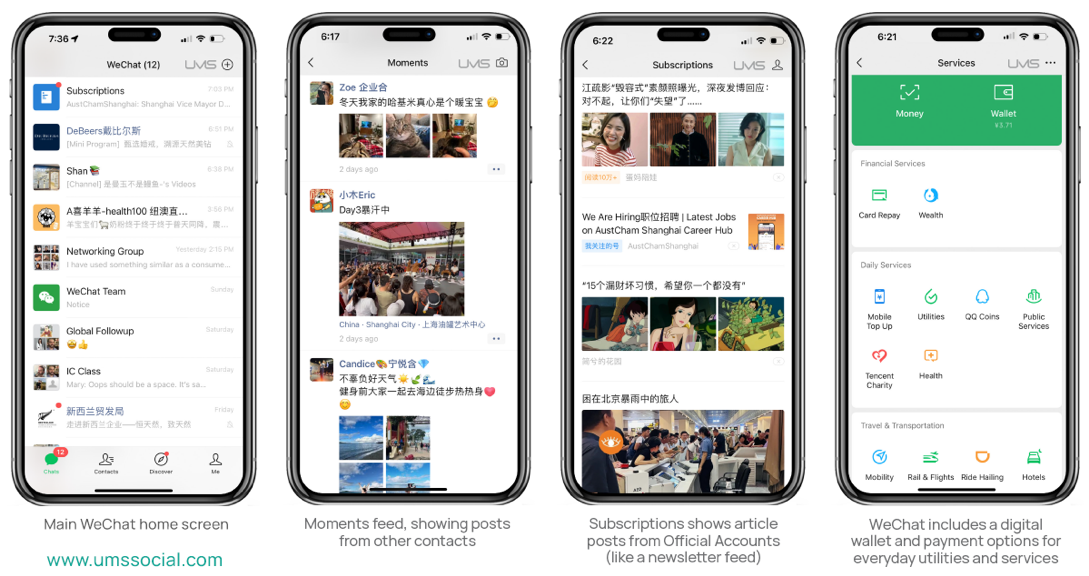
Developed by Chinese tech giant Tencent, WeChat is one of the most versatile social media platforms in the world. Originally a messaging app, WeChat has grown into an all-in-one platform where users can send messages, make payments, shop online, book rides, and more.
Why WeChat stands out:
- One of the only major social networking sites not blocked in China
- Offers branded WeChat Official Accounts for businesses, which act like mini-websites
- Enables businesses to run ads, build mini-programs (apps within WeChat), and reach audiences directly through WeChat Moments
If you’re trying to reach users in China — where platforms like Facebook, X (formerly Twitter), LinkedIn, Pinterest, Reddit and Instagram are restricted — WeChat is the dominant option for both personal and business communication.
You can also partner with Chinese influencers to promote your brand through stories and content within the WeChat ecosystem.
7. Telegram
1 billion MAU
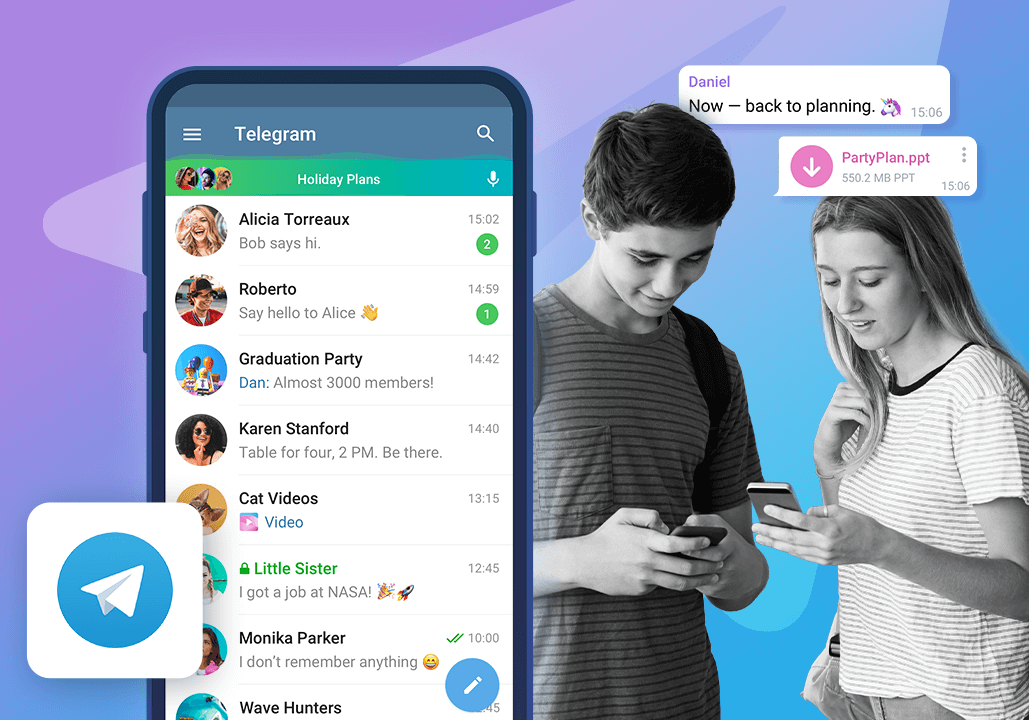
Telegram is a fast-growing messaging app known for its privacy-first approach and flexibility.
While it started as a simple chat tool, it’s evolved into a full-fledged social media platform with channels, communities, bots, and broadcast tools.
What sets Telegram apart:
- End-to-end encryption for secret chats
- Massive group and channel support — with groups accommodating up to 200,000 subscribers
- Bots and automation for delivering content, collecting feedback, or even processing purchases
Because of its minimal algorithmic interference, Telegram is ideal for direct audience communication — perfect for newsletters, product updates, and community building without the noise.
While not designed for discovery like TikTok or Instagram, Telegram excels at deepening engagement with an already interested target audience. You can even build mini ecosystems on Telegram using its bots and API integrations, which can be useful for tech-savvy brands and creators.
8. Snapchat
932 million MAU
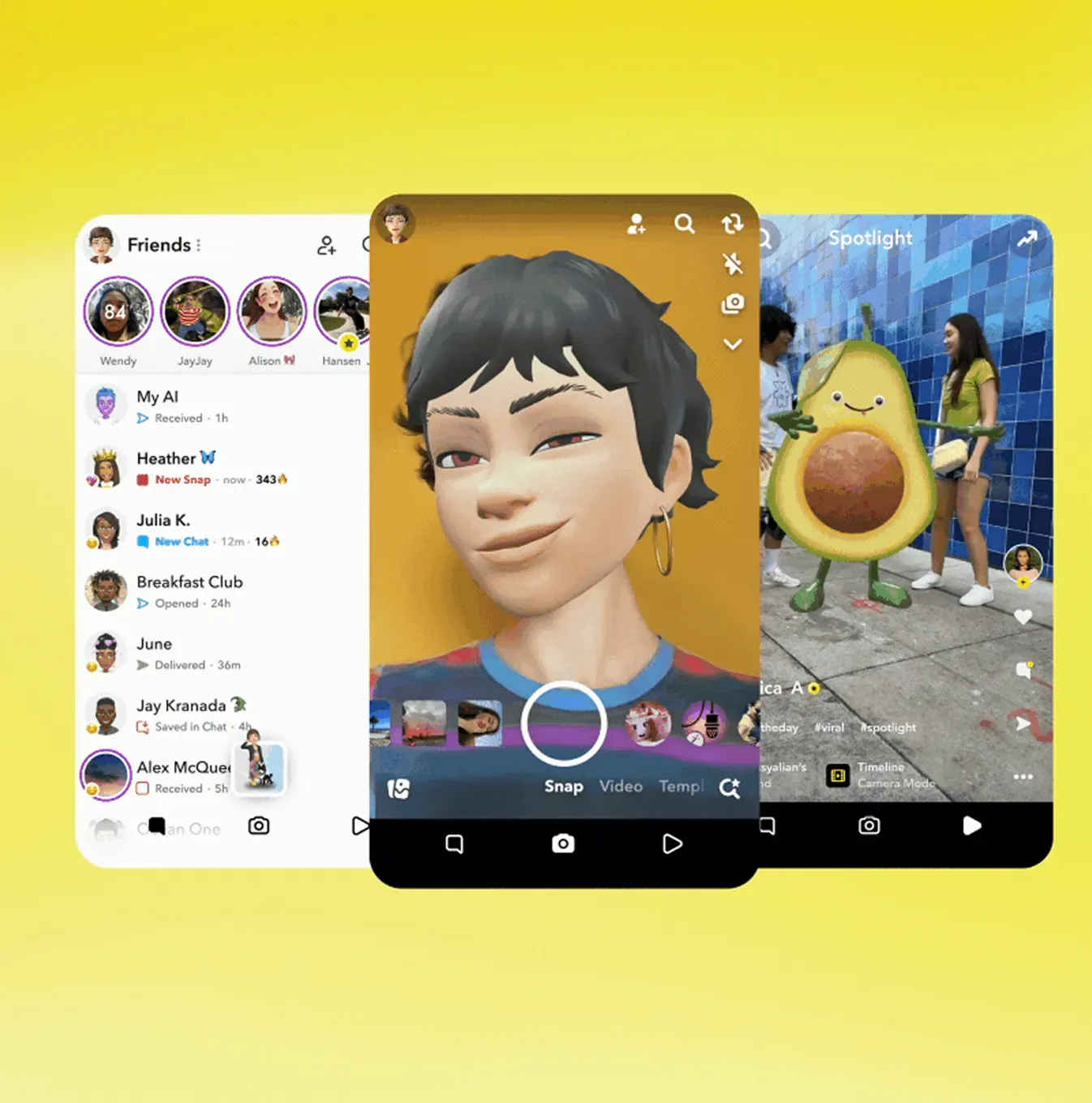
Snapchat pioneered the idea of disappearing content and vertical video — both of which have become staples across other social media platforms like Instagram and TikTok. With over 900 million monthly active users globally, Snapchat remains a powerful messaging app and visual content platform, especially among younger audiences.
Why Snapchat should have a place in your strategy:
- Strong engagement with Gen Z and U.S. teens (over half of them use the app)
- Features like Lenses, Bitmoji, and private stories make it highly interactive
- Tools like My AI and Spotlight aim to keep users engaged and creators supported
While Snapchat may not be as central to social media marketing strategy as Instagram or TikTok, it still plays a key role in reaching specific target demographics, especially if your brand skews younger or lifestyle-driven.
9. Reddit
765 million MAU
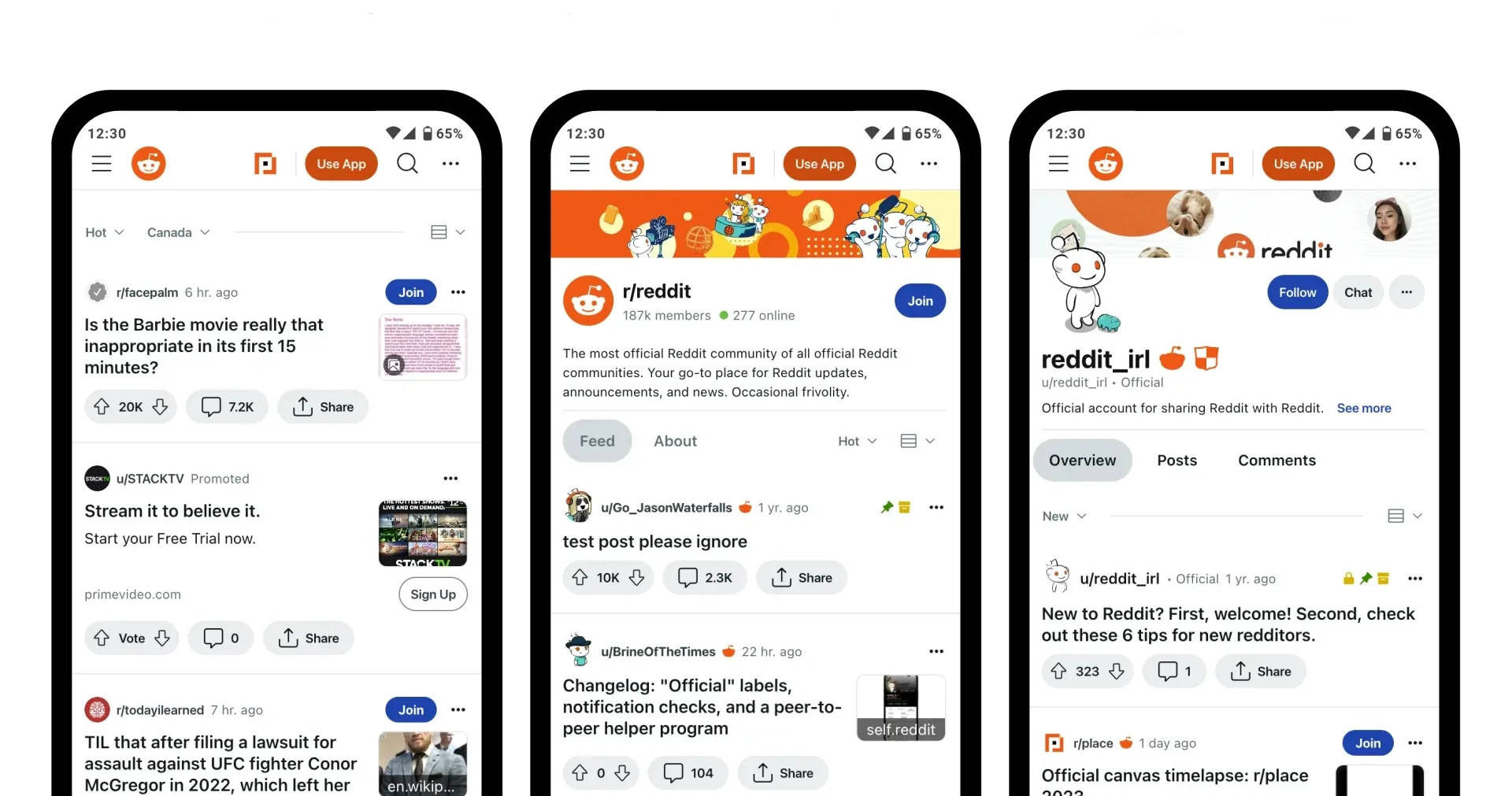
Reddit is a hybrid discussion platform and social network made up of thousands of niche communities called subreddits. It’s a go-to platform for in-depth conversations, advice, crowd-sourced knowledge, and cultural commentary.
Why Reddit is different:
- Forums exist for virtually every topic — from skincare to startups to AI
- Social media users engage anonymously, which encourages honest discussion
- Subreddits like r/beauty or r/entrepreneur are hubs of trusted peer insight
Reddit isn’t about polished content — it’s about showing up with value. That makes it ideal for brands and creators who want to listen before posting and engage with communities thoughtfully.
Most subreddits frown on straight-up self-promotion, so think of Reddit as a place to serve before you share. Join conversations in communities that match your niche and focus on offering helpful advice, asking thoughtful questions, or dropping a well-timed resource. Do that consistently, and promotion starts to feel like a natural next step, not a sales pitch.
10. Douyin (TikTok China)
728 million monthly active users
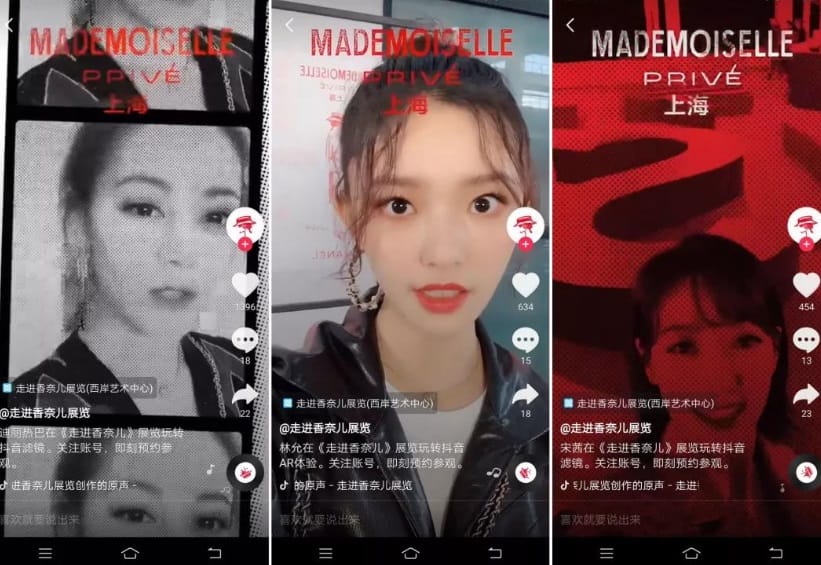
Douyin is the Chinese version of TikTok — developed by ByteDance and launched before its global counterpart. If the interface feels familiar, that’s because Douyin is the original app that inspired TikTok’s global rollout — the two share a core codebase, but operate on completely separate networks.
With around 728 million monthly active users, Douyin is a leading social media platform in China and a powerhouse in short-form video content and social commerce.
Why Douyin stands out:
- Advanced in-video e-commerce integrations — users can buy directly from videos and livestreams
- Rich data and AI-driven recommendations for hyper-personalized feeds
- Popular for tutorials, product reviews, behind-the-scenes content, and shopping hauls
For brands and creators targeting the Chinese market, Douyin offers a highly engaged, transaction-friendly audience and a glimpse into the future of video-led commerce.
11. Kuaishou
715 million MAU
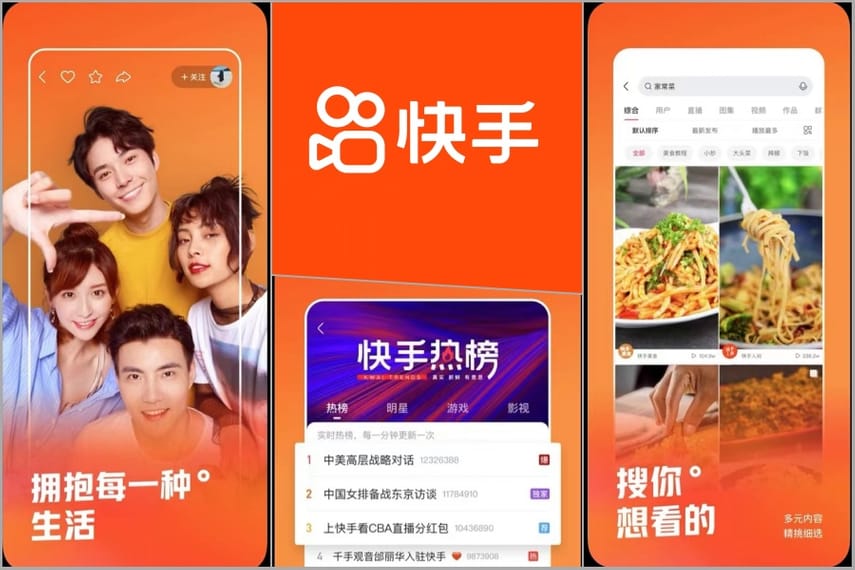
Kuaishou is one of China’s largest video-focused social media platforms, and a key competitor to TikTok (known as Douyin in China).
With around 715 million monthly active users, it’s especially popular in lower-tier cities and rural regions of China — offering a unique space for creators and brands to reach underserved audiences.
What makes Kuaishou different:
- Strong emphasis on authentic, everyday storytelling over high-gloss trends
- Supports long-form video, short-form content, and live streaming
- Leans heavily on e-commerce revenue, with built-in tools for product discovery and purchasing
Kuaishou has a reputation for being more community-driven and less algorithmically intense than TikTok or Douyin, the Chinese version of TikTok. This gives smaller creators more room to grow and makes the platform an interesting option for social commerce.
If you’re targeting the Chinese market or exploring cross-border e-commerce, Kuaishou is worth exploring as part of a broader social media marketing strategy.
12. Weibo
588 million MAU
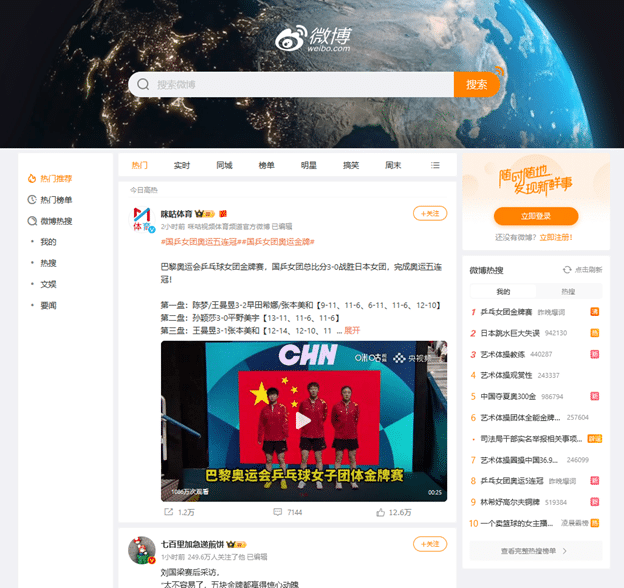
Weibo is a Chinese microblogging platform that combines features of Twitter and Instagram.
With about 588 million monthly active users, Weibo remains one of the largest social networking sites in China and a powerful channel for trend discovery, influencer marketing, and brand visibility.
Why Weibo is a top choice:
- Content includes images, videos, stories, live streams, and hashtags
- Highly active around entertainment, news, beauty, fashion, and tech
- Offers official and verified business accounts, plus ad placements
Compared to WeChat, Weibo’s audience is younger and more trend-focused. It’s the platform where many viral movements and conversations start — and where brands can join cultural conversations in real time.
13. Pinterest
578 million MAU
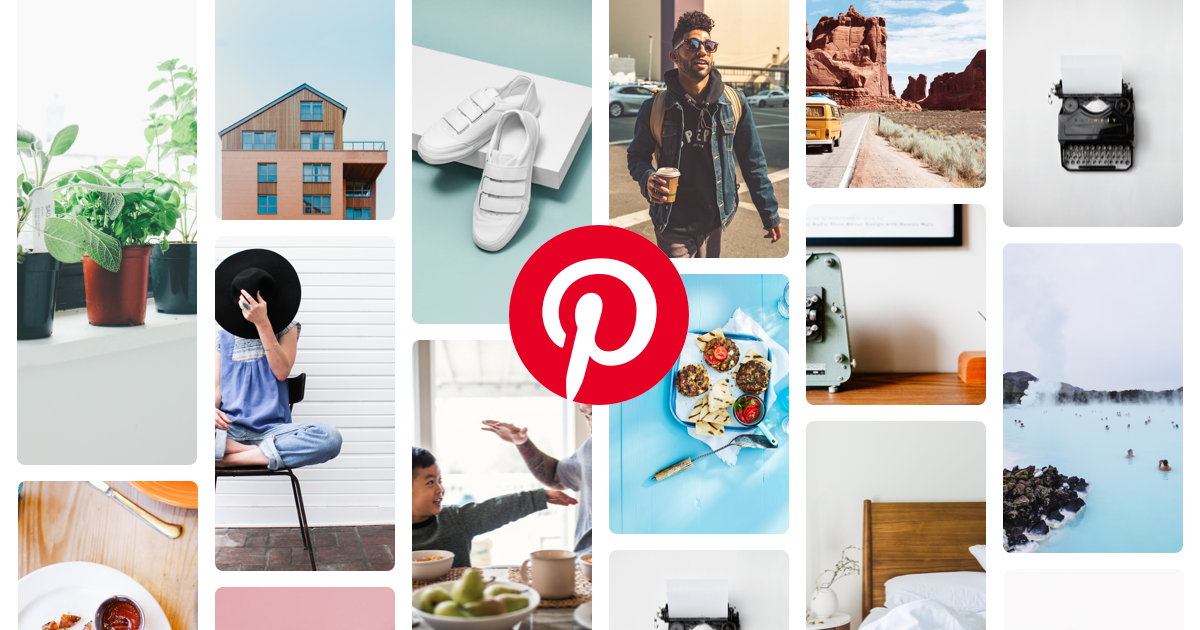
Pinterest is where inspiration meets action. It’s a visual social media platform that functions more like a discovery engine than a traditional feed.
Users “pin” images and videos linked to blogs, products, and landing pages — making it a strong driver of traffic and purchases.
Why Pinterest works for brands:
- Pinterest users are 7x more likely to purchase products they’ve saved
- Especially popular for niches like fashion, home decor, wellness, DIY, and food
- Ideal for user-generated content and evergreen posts with long shelf lives
Whether you’re promoting blog content, e-commerce listings, or tutorials, Pinterest helps you show up when people are actively searching for ideas — making it a valuable addition to your social media marketing strategy.
14. X (formerly Twitter)
557 million MAU
X, formerly known as Twitter, continues to be a major social media player, with over 557 million monthly active users.
While the platform has undergone significant changes since its rebrand in 2023, it still thrives on real-time audience interaction, trending topics, and short-form updates.
What makes X unique:
- Emphasis on timely content — from breaking news to live commentary
- A home for text-first content, making it ideal for thought leadership, humor, and hot takes
- Still a powerful customer service channel, used by brands for fast, public support
Despite fluctuating user trust and platform changes, X remains useful for brands with a fast-moving content strategy or a desire to connect directly with niche communities.
15. QQ
554 million MAU
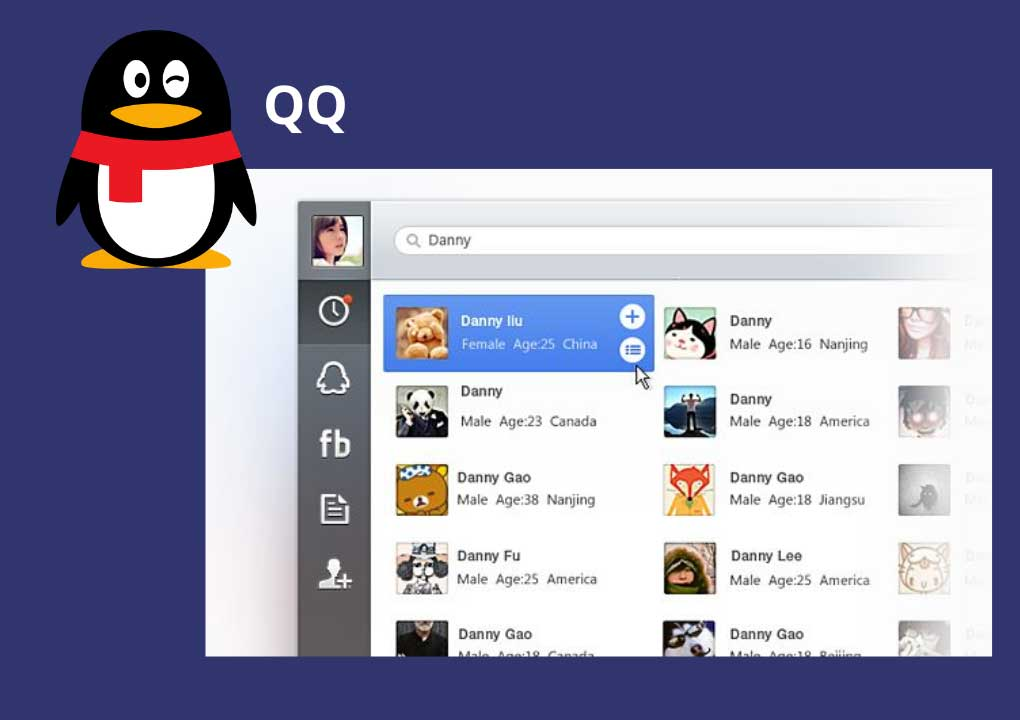
QQ, also developed by Tencent, was once China’s top instant messaging app before WeChat took the lead.
Today, with over 554 million monthly active users, QQ still holds strong — especially among younger users, gamers, and professionals looking for lightweight communication and file sharing.
Why QQ has a loyal user base:
- Popular for its desktop-friendly interface and ability to transfer large files (over 25 MB)
- Offers a social feed, avatar customization, and built-in online games
- Doesn’t require a phone number to sign up — appealing to students and users without smartphones
QQ is more than a messaging tool — it’s a full social experience, especially in China’s youth culture. For brands targeting the Chinese workforce or teen audience, QQ can be a lower-pressure alternative to flashier social media platforms like WeChat or Douyin.
While it’s not a major channel for global marketing, QQ is still a key part of China's broader social media landscape — and a reminder that different markets often respond to very different tools.
16. Threads
400 million MAU
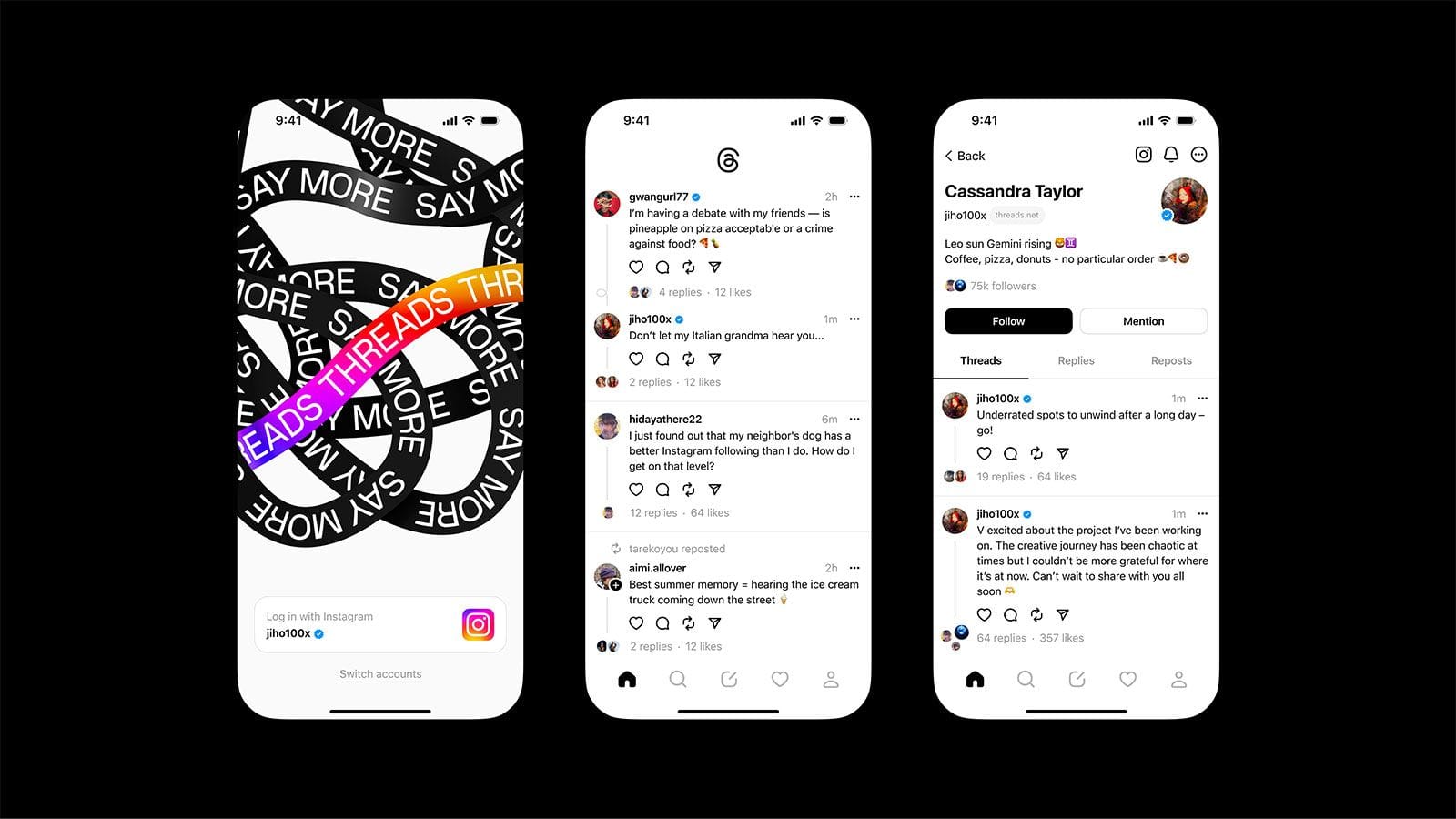
Threads, developed by Meta as a companion to Instagram, launched in mid-2023 and quickly became one of the fastest-growing social media apps in history — reaching 100 million sign-ups in just a few days.
What makes Threads different:
- A text-first platform for short-form updates, commentary, and casual conversation
- Integrated with Instagram — your username, following, and cross-posting carry over
- An alternative to its counterpart X, with regular feature rollouts
Threads is still evolving, but it’s quickly become a space for creators, founders, and brands to build connections through short-form content without pressure. Many use it for behind-the-scenes updates, audience questions, and less polished thoughts.
Want to grow on Threads? We broke down the platform’s best features and how to use them to build community and brand visibility.
17. Quora
400 million MAU
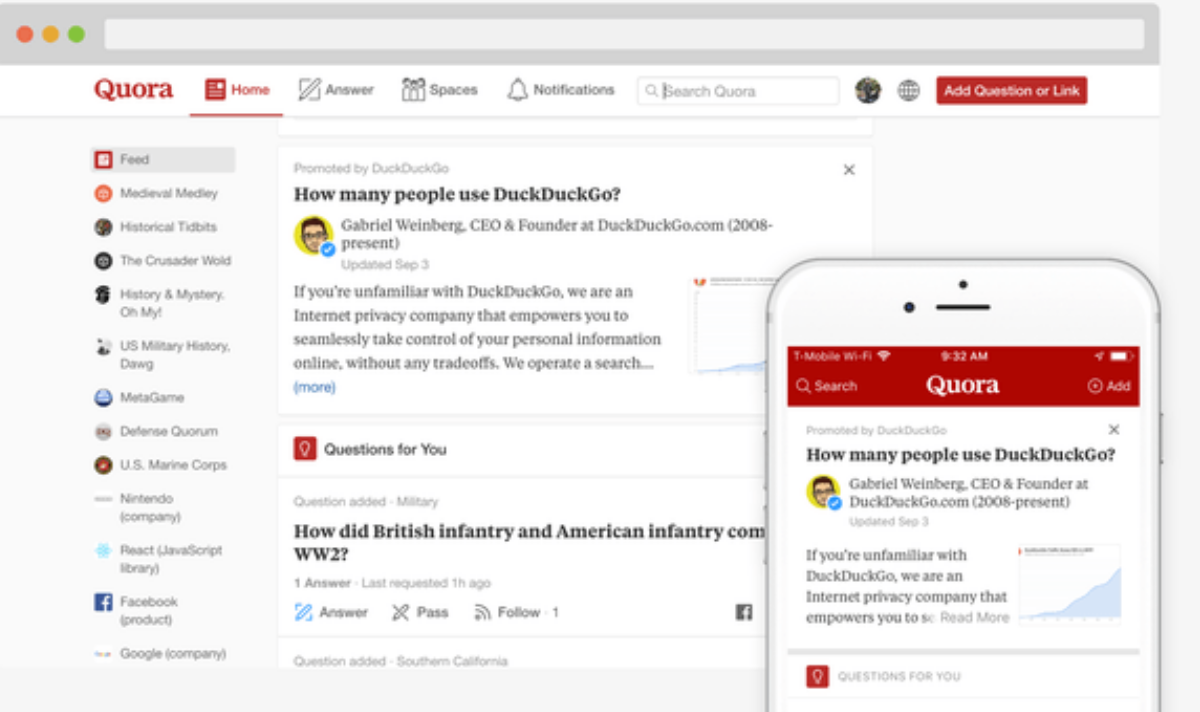
Quora is a discussion platform built around questions and answers — where users share knowledge, give advice, and rank responses through upvotes and views.
With 400 million monthly active users, Quora continues to be a valuable space for brands and creators to build trust and reach users during the research phase of decision-making.
Why Quora works:
- High intent audience — many users are actively researching purchases or trying to solve a problem
- Evergreen visibility — a great answer can rank in Google search and stay visible for years
- A space to showcase subject-matter expertise and link back to your site, product, or content
As part of your social media marketing strategy, Quora can help you reach your target audience with content that feels helpful, not promotional. You can answer industry-relevant questions, create a Quora page for your business, or even run ads through Quora’s ad platform.
18. LinkedIn
Estimates say 350–400 million MAU
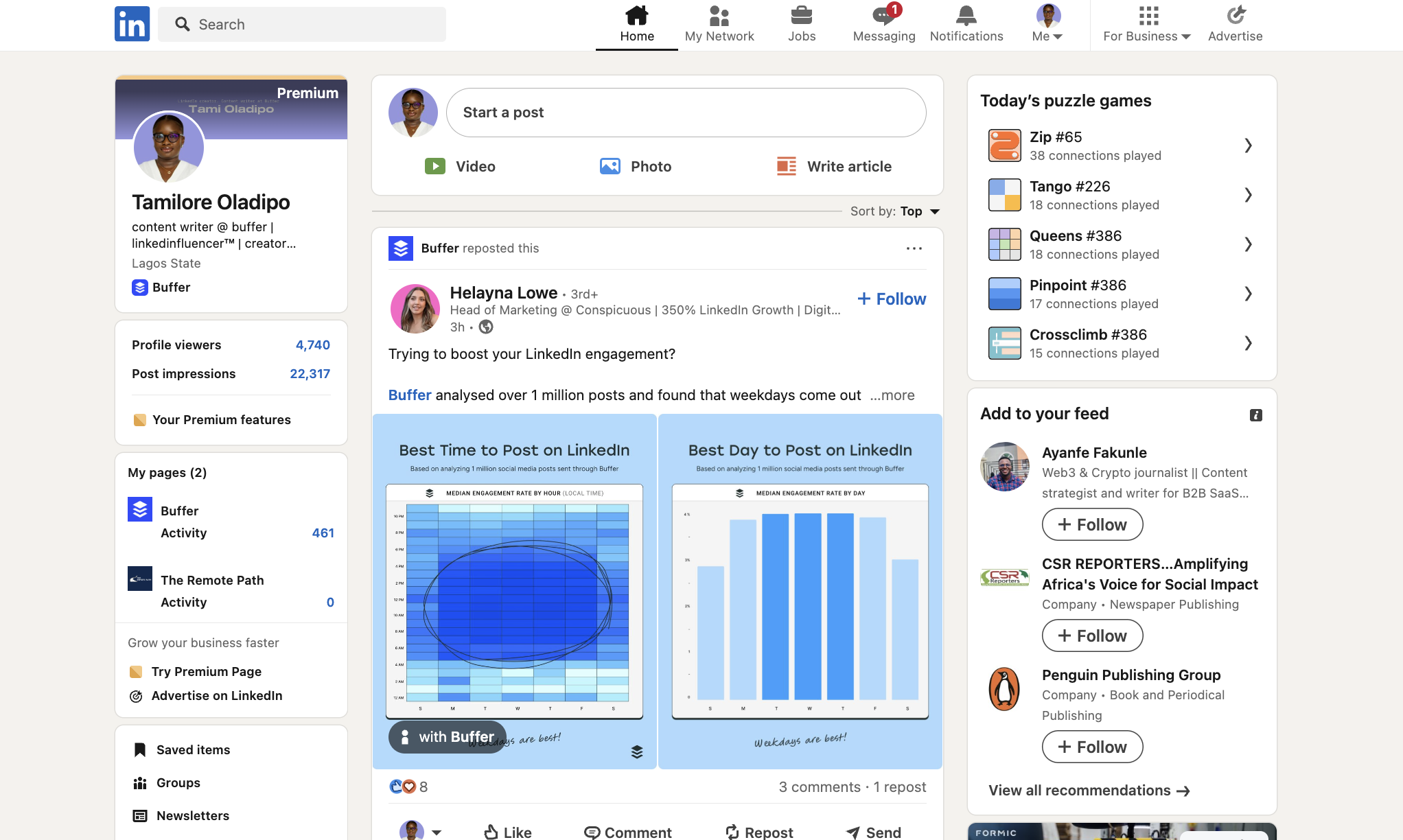
LinkedIn is the leading professional networking platform, originally built for job seekers and recruiters — but now just as valuable for creators, small business owners, and brands. It's become a hub for sharing ideas, building authority, and nurturing your personal brand.
The social media platform does not publish statistics about its monthly active users, but estimates lie between 350–400 million.
Why LinkedIn is a must for professionals and brands:
- Ideal for B2B marketing, industry insights, and employer branding
- A powerful space to establish thought leadership through articles, carousels, and video content
- The algorithm rewards consistency and meaningful engagement (especially comments)
Whether you're building a business presence or growing as a solo creator, LinkedIn offers one of the highest ROIs for content visibility — especially if your target audience includes decision-makers or professionals.
Learn how the LinkedIn algorithm works and how to grow your followers.
19. RedNote (Xiaohongshu/Little Red Book)
350 million MAU
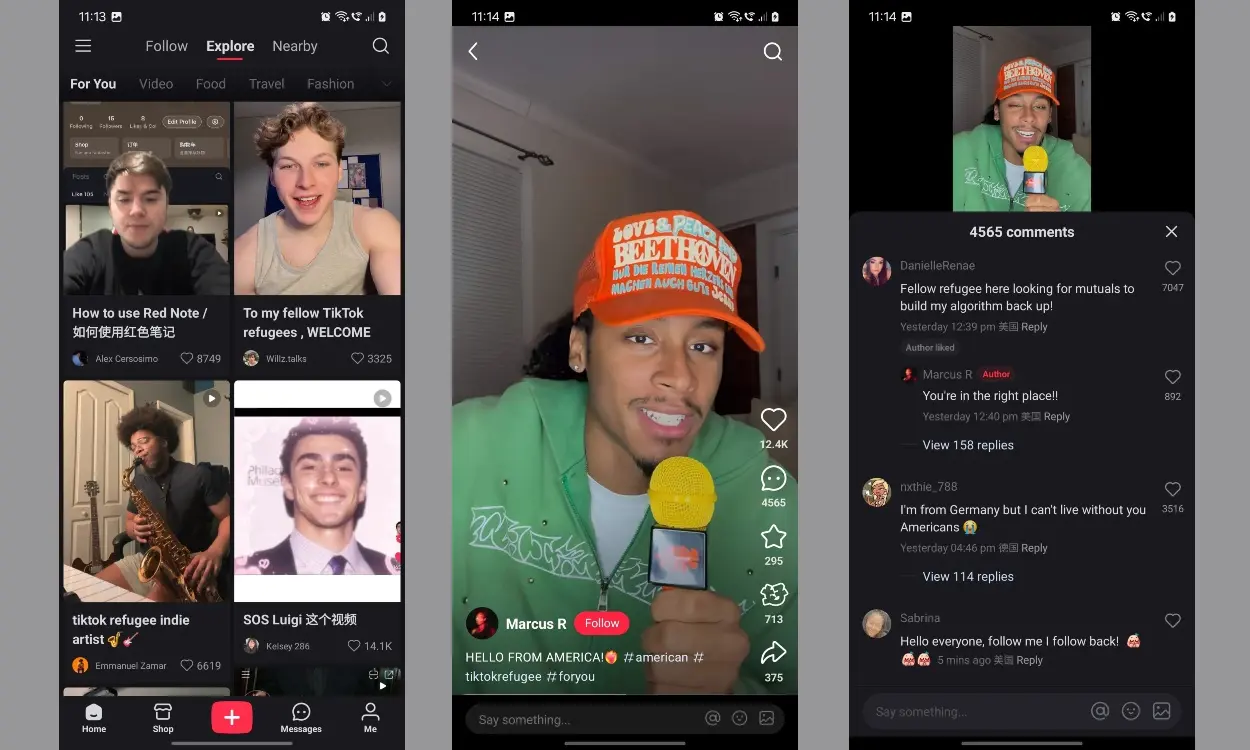
Xiaohongshu, also known as RedNote or Little Red Book, is a fast-growing social media platform based in China that blends lifestyle content, product discovery, and e-commerce.
It’s often described as a hybrid of Instagram, Pinterest, and Amazon reviews — especially popular among Gen Z and millennial women.
Why RedNote is a rising star:
- Combines user-generated content with product recommendations, tutorials, and reviews
- Built-in shopping and affiliate links allow for seamless conversion from content to purchase
- Especially influential in beauty, fashion, wellness, travel, and luxury niches
RedNote has gained international attention in light of uncertainty around platforms like TikTok, with some creators exploring it as a new content channel. It’s also one of the most trusted sources of peer-to-peer product reviews in China.
If you’re targeting the Chinese market or exploring social commerce trends, RedNote is a platform to watch closely.
20. Discord
259 million MAU
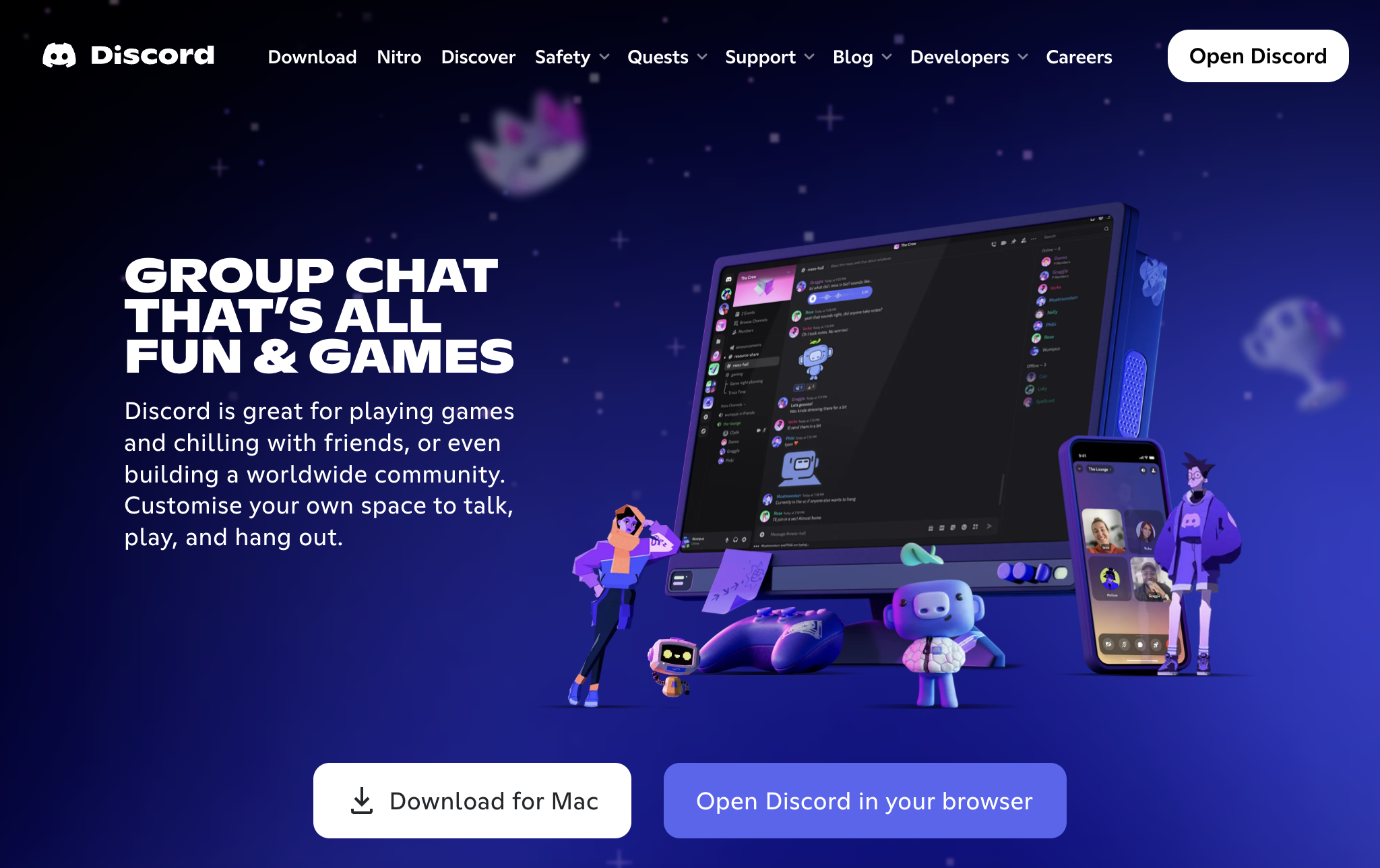
Discord started as a communication platform for gamers — but today, it powers communities across everything from entrepreneurship and crypto to education and creator spaces.
Discord offers real-time messaging, voice chat, video calls, and deep customization for brands looking to build close-knit audiences.
Why Discord stands out:
- Fully customizable servers with private and public channels
- Great for building a sense of belonging through shared spaces, events, and exclusive content
- Can be used for product feedback, customer support, or behind-the-scenes access
While not a traditional social media platform, Discord is increasingly used by creators, businesses, and brands to deepen their social media presence through community-led conversations.
21. Twitch
~240 million monthly active users
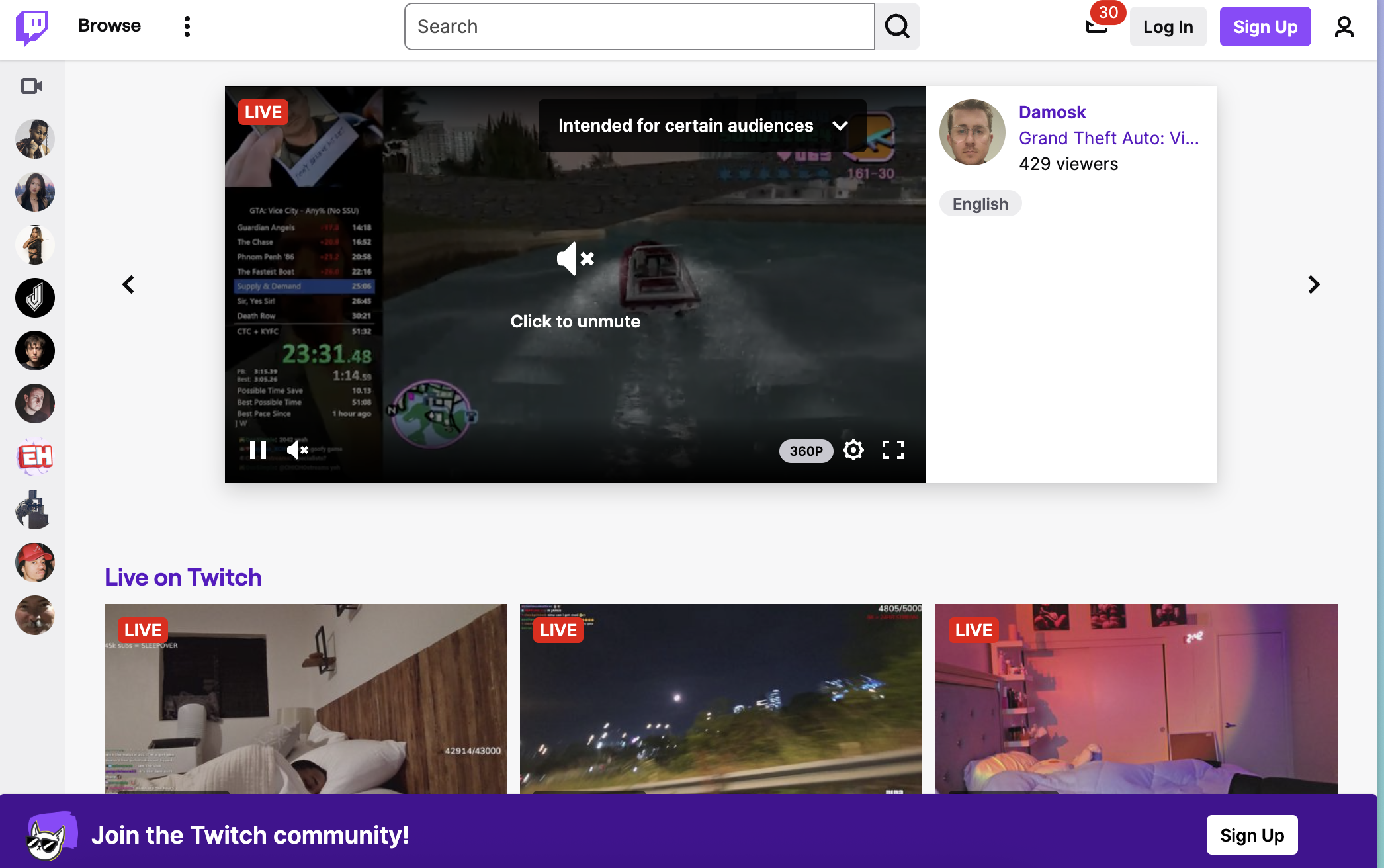
Twitch is the world’s leading live streaming platform, best known for gaming but increasingly home to creators in music, art, tech, fitness, and more. It enables direct, real-time audience interaction through live chat and subscriber communities.
Why Twitch works for brands and creators:
- Live content builds strong viewer relationships through real-time engagement
- Monetization options include subscriptions, donations, sponsorships, and ads
- A dedicated culture around creators, from emotes to channel raids to “Just Chatting” streams
22. Tumblr
95 million MAU
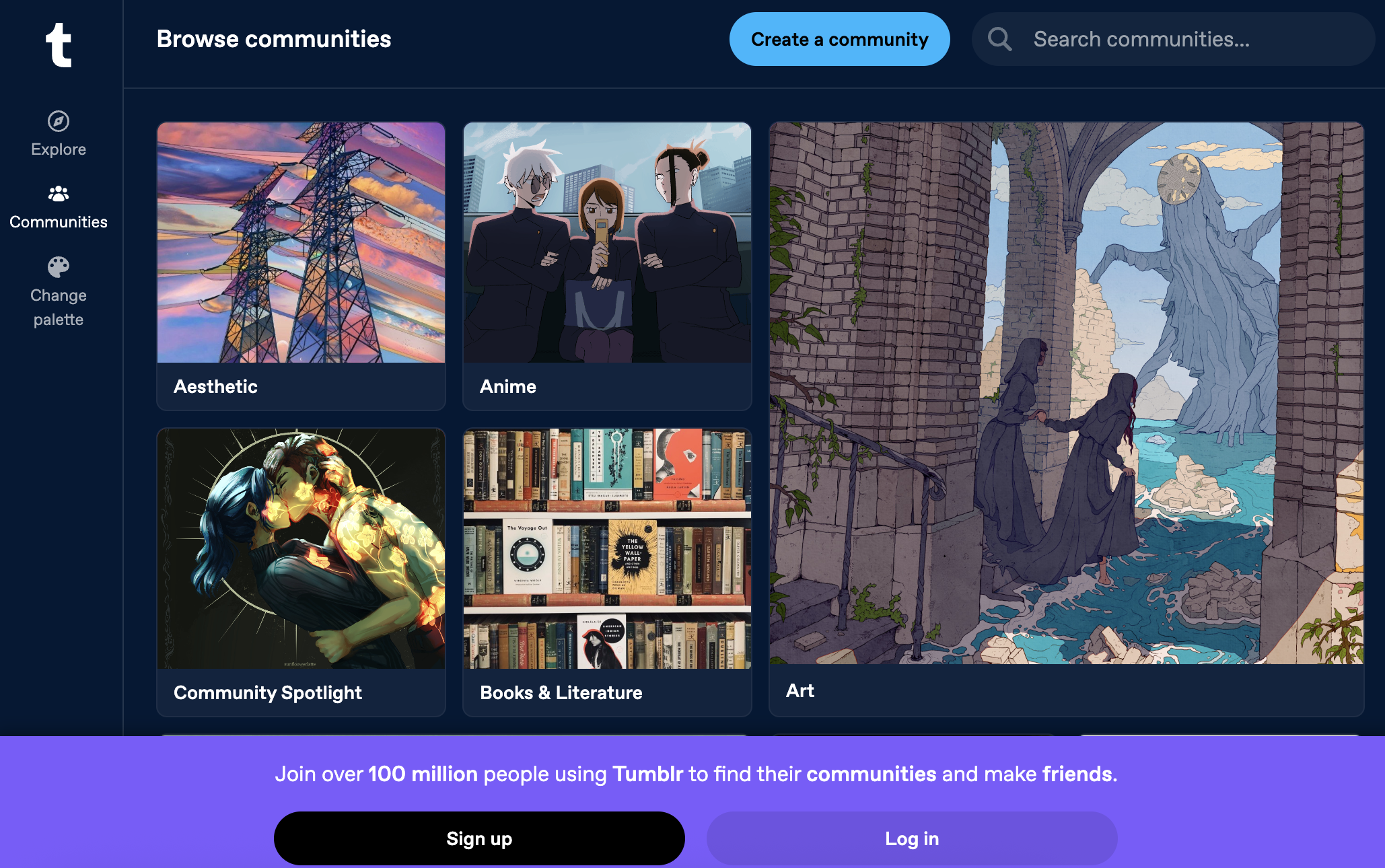
Tumblr is a long-running microblogging platform known for its creative freedom, highly engaged subcultures, and customizable blog layouts.
With 95 million MAU, Tumblr has maintained a loyal community — particularly among artists, writers, fandoms, and younger users seeking a more expressive online space.
Why Tumblr still resonates:
- Supports nearly every media format: text, images, GIFs, video, audio, and links
- Allows deep blog customization — many users treat their Tumblr as a personal website or aesthetic diary
- Ideal for moodboarding, visual storytelling, and niche interests that don’t always fit mainstream platforms
Tumblr isn’t a must-use for every brand — but for those in creative industries or with strong visual and cultural identities, it can be a low-pressure way to build a unique social media presence.
23. Bluesky
5.2 million MAU
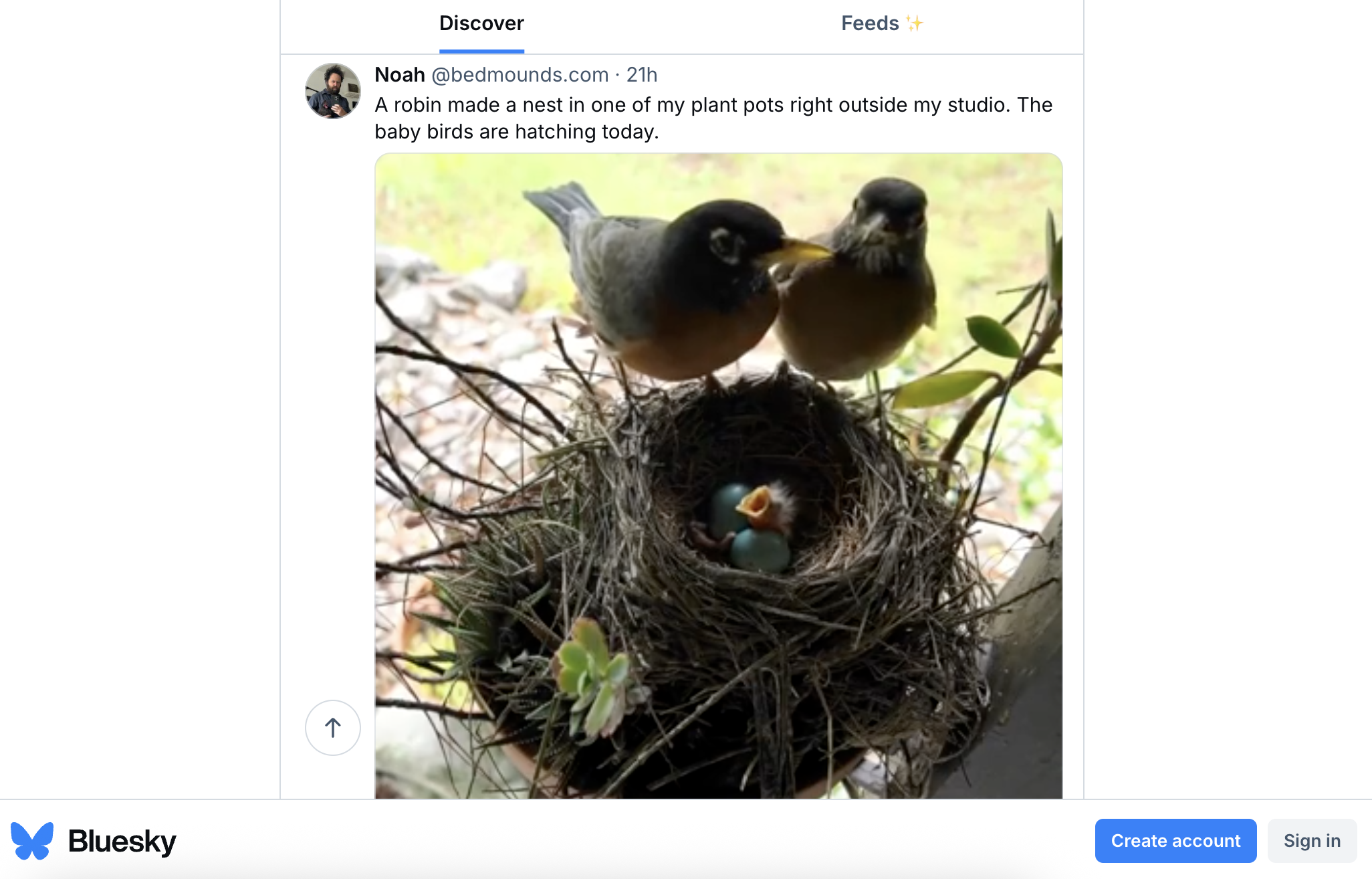
Bluesky is a decentralized social media platform originally incubated by Twitter and launched as an independent app in 2023.
Editor's note: Bluesky tends to report on daily active users (DAU), rather than monthly active users, and we couldn't find an updated MAU figure. In 2026, the platform boasts 3.5 million daily active users.
Bluesky is built around transparency and user control. It's especially popular with creators and developers who care about how platforms are run. Learn how to get started here.
What makes Bluesky unique:
- Built on the AT Protocol — an open-source network that allows users to control their data and algorithms
- Feels familiar to X/Twitter, with posts, replies, reposts, and likes
- Attracts a niche but growing user base interested in decentralization, creator ownership, and moderation transparency
Bluesky isn't yet a mainstream platform, but it holds promise for creators and brands who want to engage in smaller communities with similar values, or experiment with new ways to reach an audience.
24. Mastodon
1 million MAU
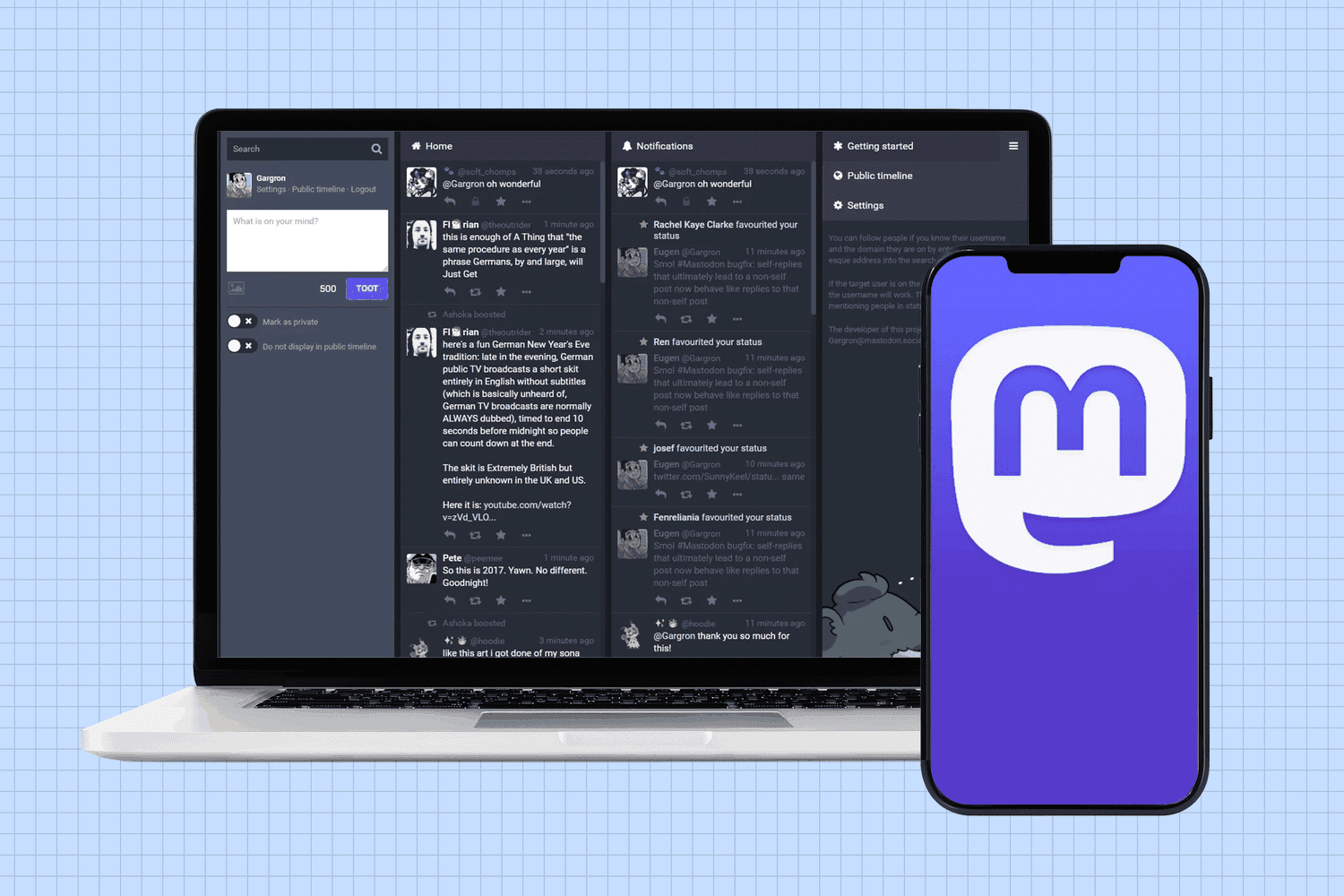
Mastodon is a decentralized, open-source social media platform that gained traction in late 2022 as an alternative to mainstream networks.
With around 1 million MAU, Mastodon is organized around independently hosted servers — or “instances” — that interconnect to form a broader network known as the Fediverse.
Why Mastodon appeals to niche audiences:
- No central authority — users join or create communities based on shared interests or values
- Prioritizes privacy, moderation transparency, and algorithm-free feeds
- Default posts can be up to 500 characters and include images, video, or audio
Mastodon isn't built for mass appeal — it's designed for smaller, more intentional communities. If you're looking for slower, more thoughtful conversations (and don't mind a learning curve), it could be a good fit.
Be selective with your social media presence
With so many platforms to choose from, it's tempting to try them all. But the best strategy isn't about being everywhere — it's about showing up where your audience already is, and where your content actually works.
Instead of managing five or six platforms halfway, pick two or three that align with your strengths, your goals, and your audience, then commit to showing up consistently and experimenting over time.
If you're juggling more than one platform, Buffer can help you plan ahead, see what's working, and not burn out in the process!
FAQs about social media platforms
What are social media platforms?
Social media platforms are online networks or apps where users create and share content, connect with others, and engage in communities. They range from messaging apps like WhatsApp to visual platforms like Instagram and video-sharing platforms like YouTube.
What are the top 5 social media platforms?
As of 2026, the top 5 social media platforms by monthly active users are: Facebook (3.07 billion MAUs), Instagram (3 billion MAUs), WhatsApp (3 billion MAUs), YouTube (2.6 billion MAUs), and TikTok (1.9 billion MAUs).
Which social media platform is best for business?
The best social media platform for business depends on your audience and content style. Instagram and TikTok work well for visual brands and creators, LinkedIn is ideal for B2B marketing and professional networking, and Facebook remains strong for community building and advertising. Our advice: Focus on two or three platforms instead of trying to be everywhere.
Are messaging apps considered social media platforms?
Yes — many messaging apps function as social media platforms today. Apps like WhatsApp, Telegram, and WeChat allow users to create communities, share content, and interact with brands. While they’re more private than traditional social networks, they still play a major role in online communication.
More top social media platform resources
- The 11 Best Social Media Analytics Tools for Creators and Marketers
- How to Use Twitter/X: The Complete Guide
- The 11 Best Social Media Management Tools — Tried + Tested
- Beyond Publishing: How to Make the Most of All Buffer’s Features
- Best Hootsuite Alternatives (Free + Paid)
- The Best Social Media Scheduling Tools (+ How to Find the Perfect Fit)
Try Buffer for free
200,000+ creators, small businesses, and marketers use Buffer to grow their audiences every month.